IT&T's Summer Concert Series 2026
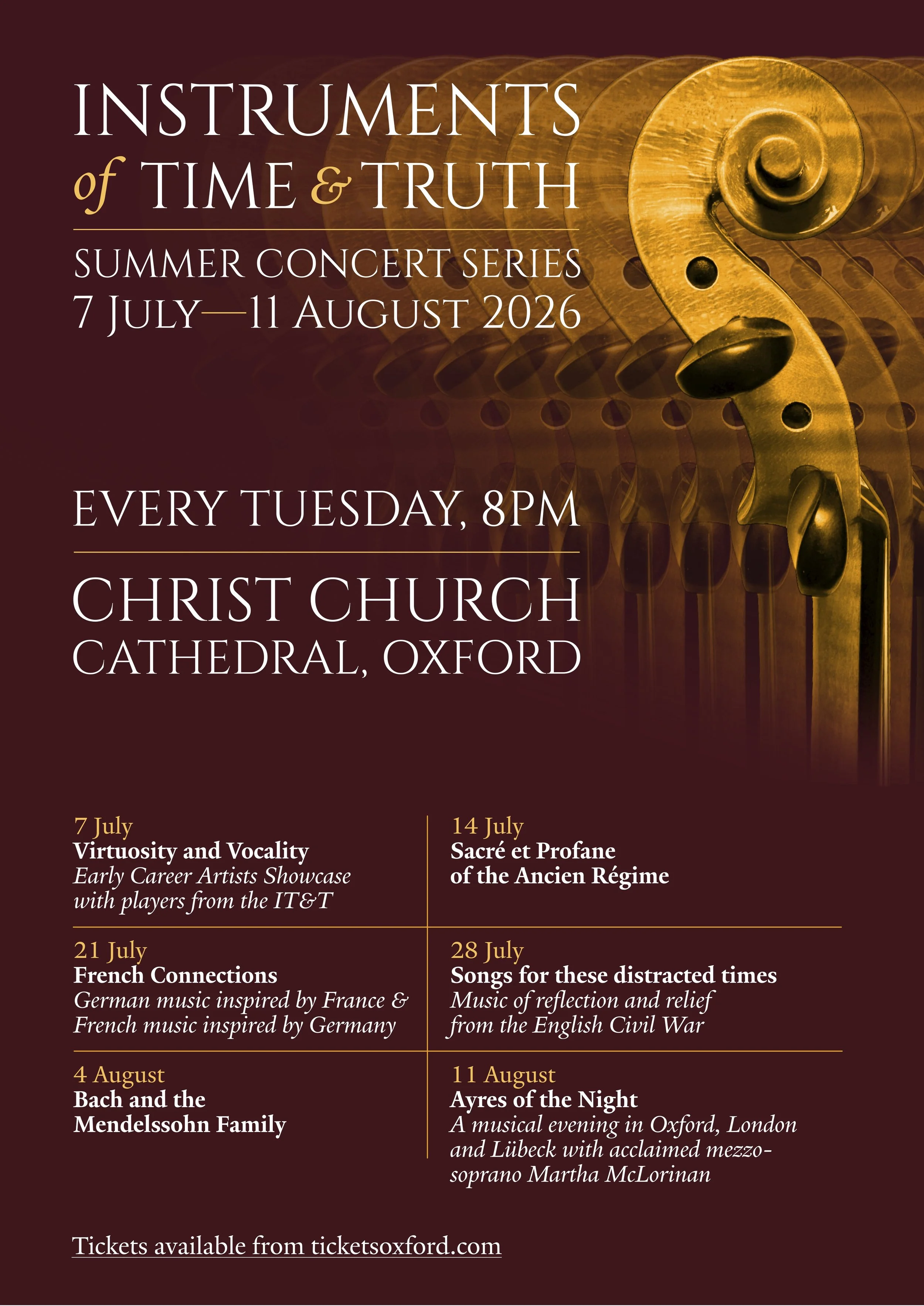
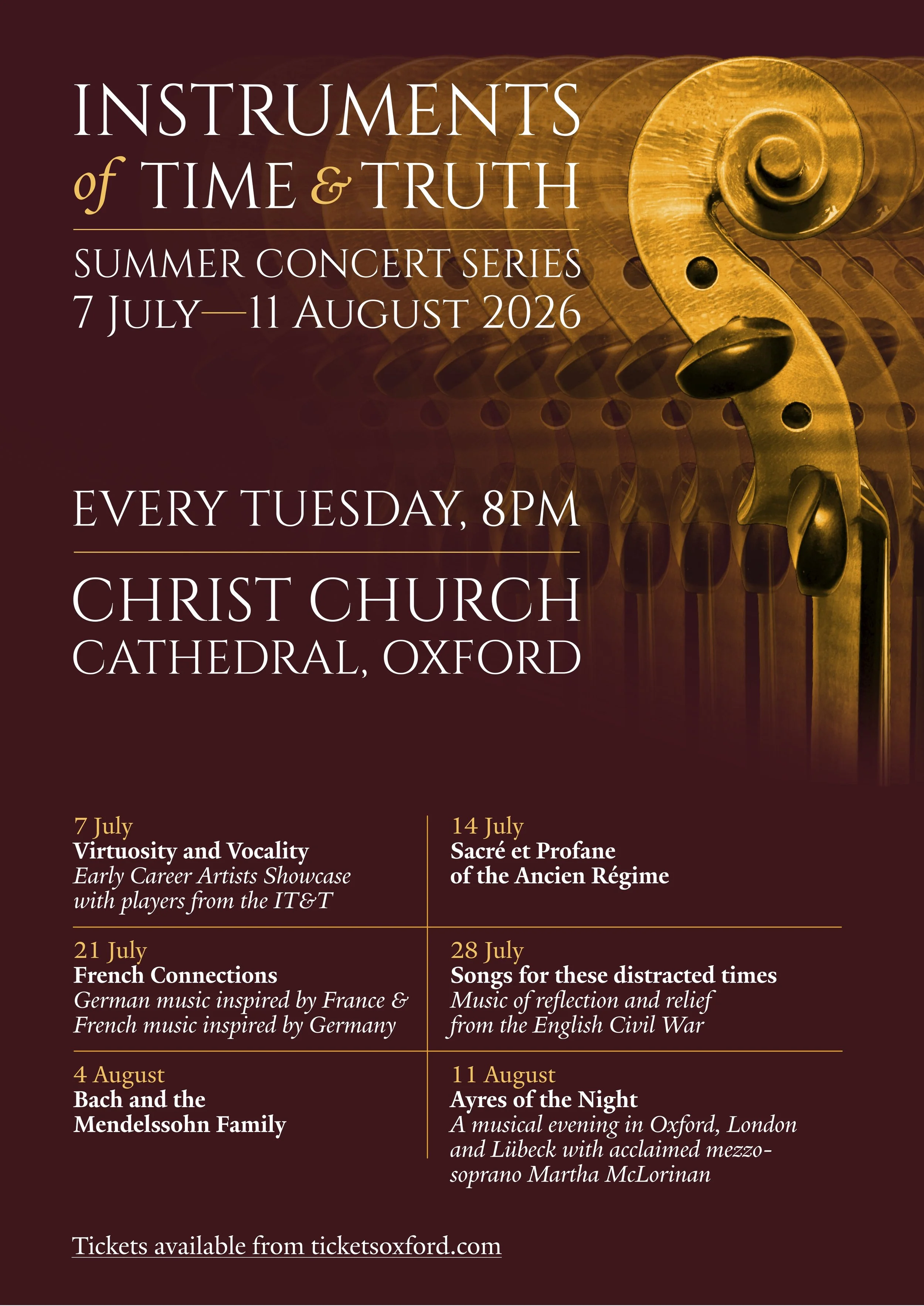
IT&T’s Summer Concert Series 2026 will open on Tuesday 7th July and run for six weeks with Tuesday concerts in Christ Church Cathedral.
Buy all 6 concerts and receive £30 off.
IT&T’s Summer Concert Series 2026 will open on Tuesday 7th July and run for six weeks with Tuesday concerts in Christ Church Cathedral.
Buy all 6 concerts and receive £30 off.
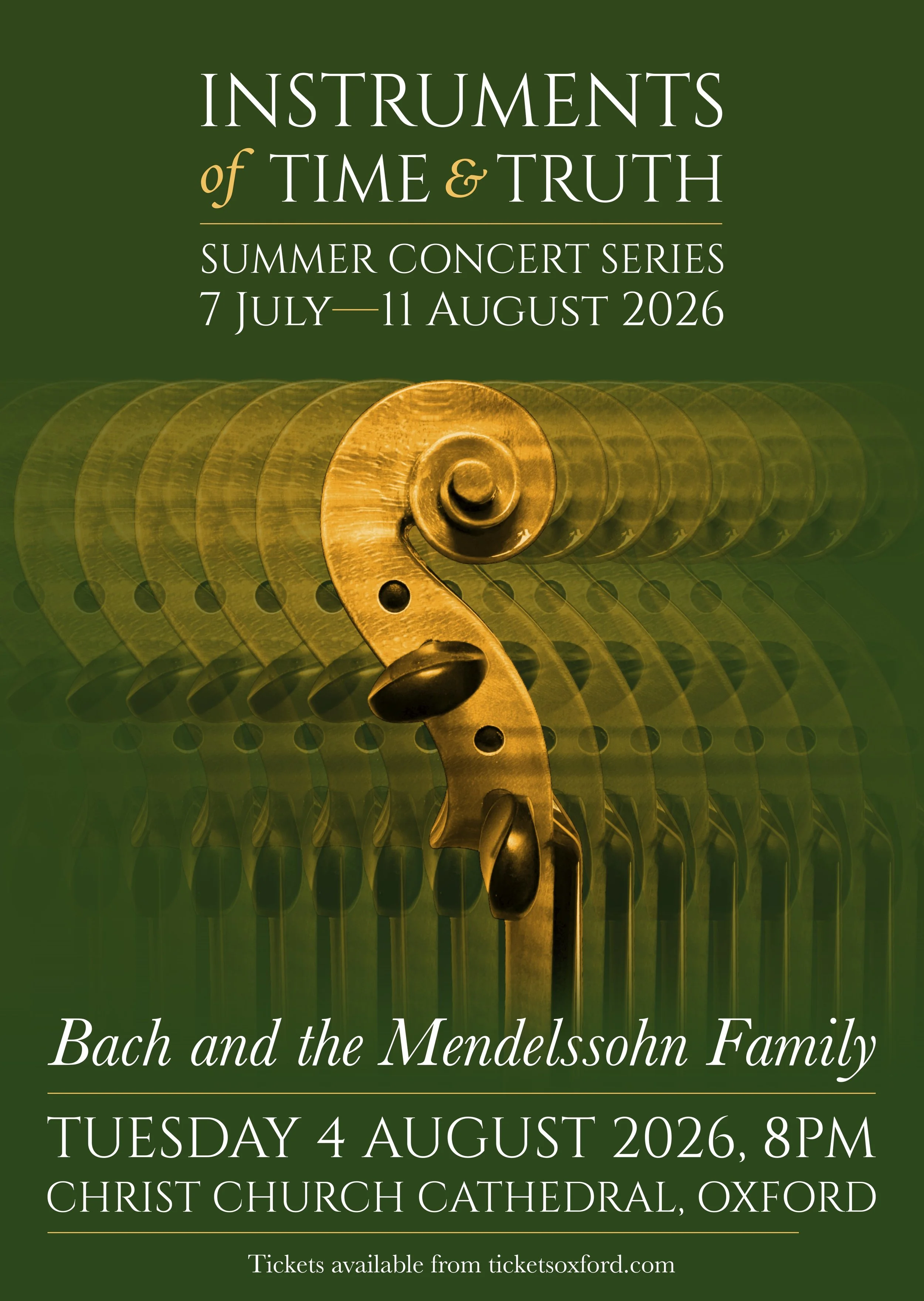
In this programme, curated by Jean Paterson, something of a new departure for IT&T, we look at J.S.Bach through the eyes of the Mendelssohn family. Alongside a selection of short fugues from The Art of Fugue, and an arrangement by Mozart of a Bach fugue, we include the lovely Romance from Fanny Mendelssohn’s string quartet.
The centrepiece of the evening is Felix Mendelssohn’s astonishing string quintet in A major Op 18, which has all the energy, beauty and invention of his famous Octet. The programme is a recreation of the ‘Sonntagsmusiken’, domestic concerts organised by Felix’s remarkable sister Fanny, said to be as accomplished as her brother as a composer and pianist.
Programme
J.S Bach: Die Kunst der Fuge, Contrapuncti 1, 4 and 9
Fanny Mendelssohn: ‘Romance’ from String quartet in Eflat
Bach arr. Mozart: Fugue in D major (after BWV 874)
Felix Mendelssohn String Quintet in A major Op18
Performers
Violins: Caroline Balding and Jean Paterson
Violas: Rachel Byrt and Vanessa McNaught
Cello: Gabriel Amherst
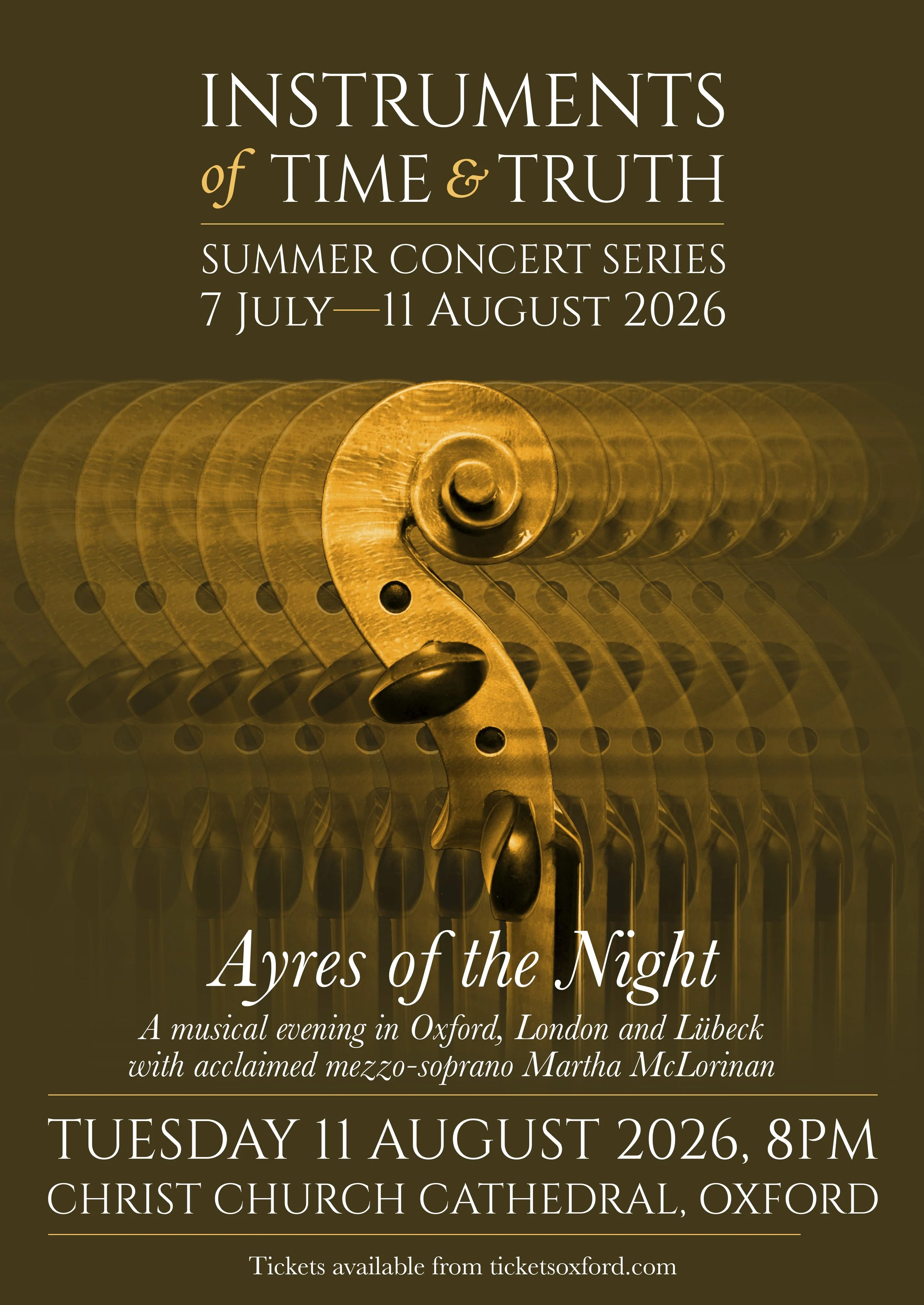
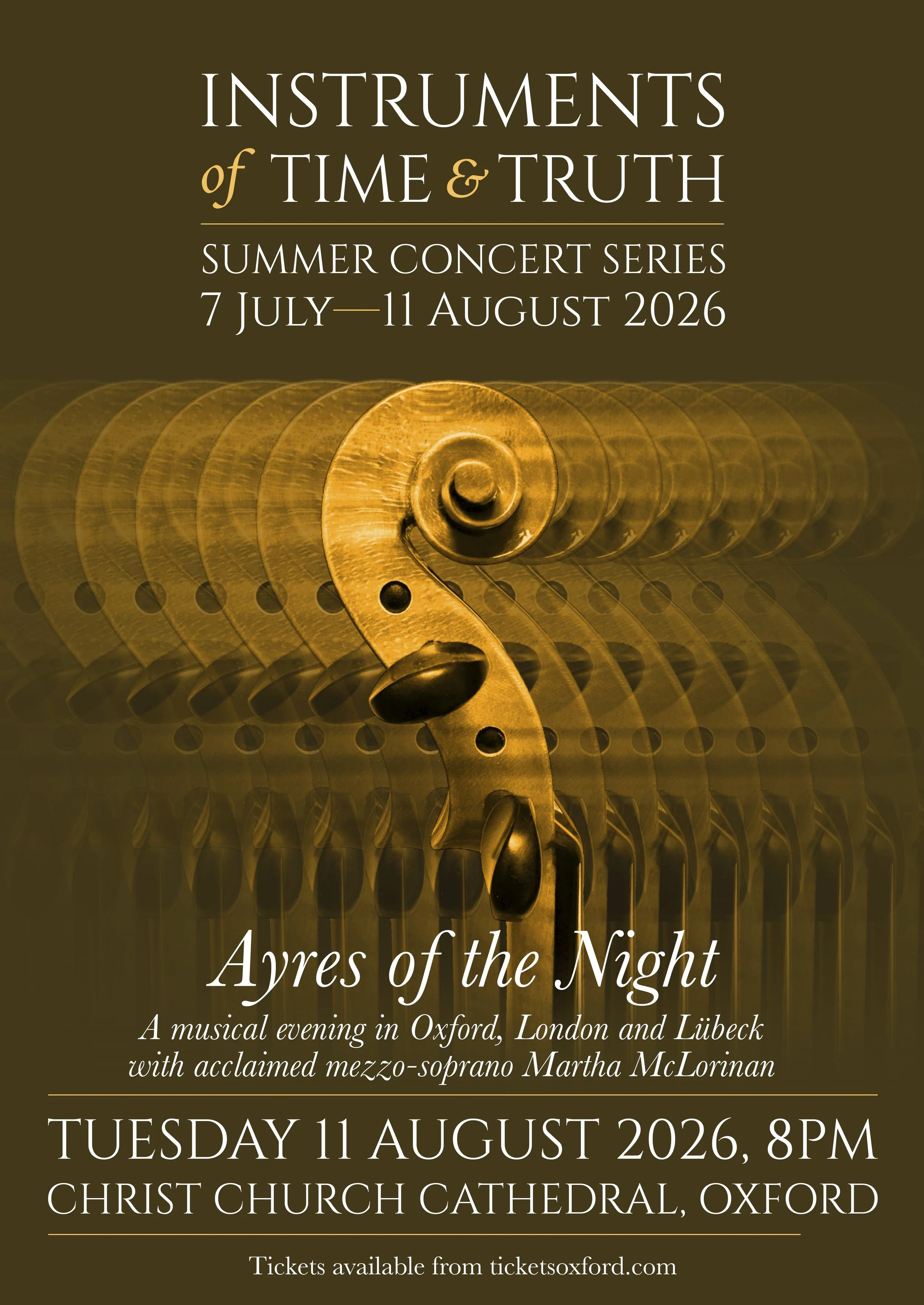
Instruments of Time and Truth recreate musical evenings in Oxford, London and Lübeck with acclaimed mezzo-soprano Martha McLorinan. Experience songs of solace and radiant sonatas by Purcell, Bach and Buxtehude as the night draws in. Curated by Rachel Byrt.
Programme
Exact programme of pieces will be released shortly.
Performers
Martha McLorinan; mezzo-soprano
Rachel Byrt; viola and violin
Susanne Heinrich; viola da gamba
Silas Wollston; harpsichord and organ
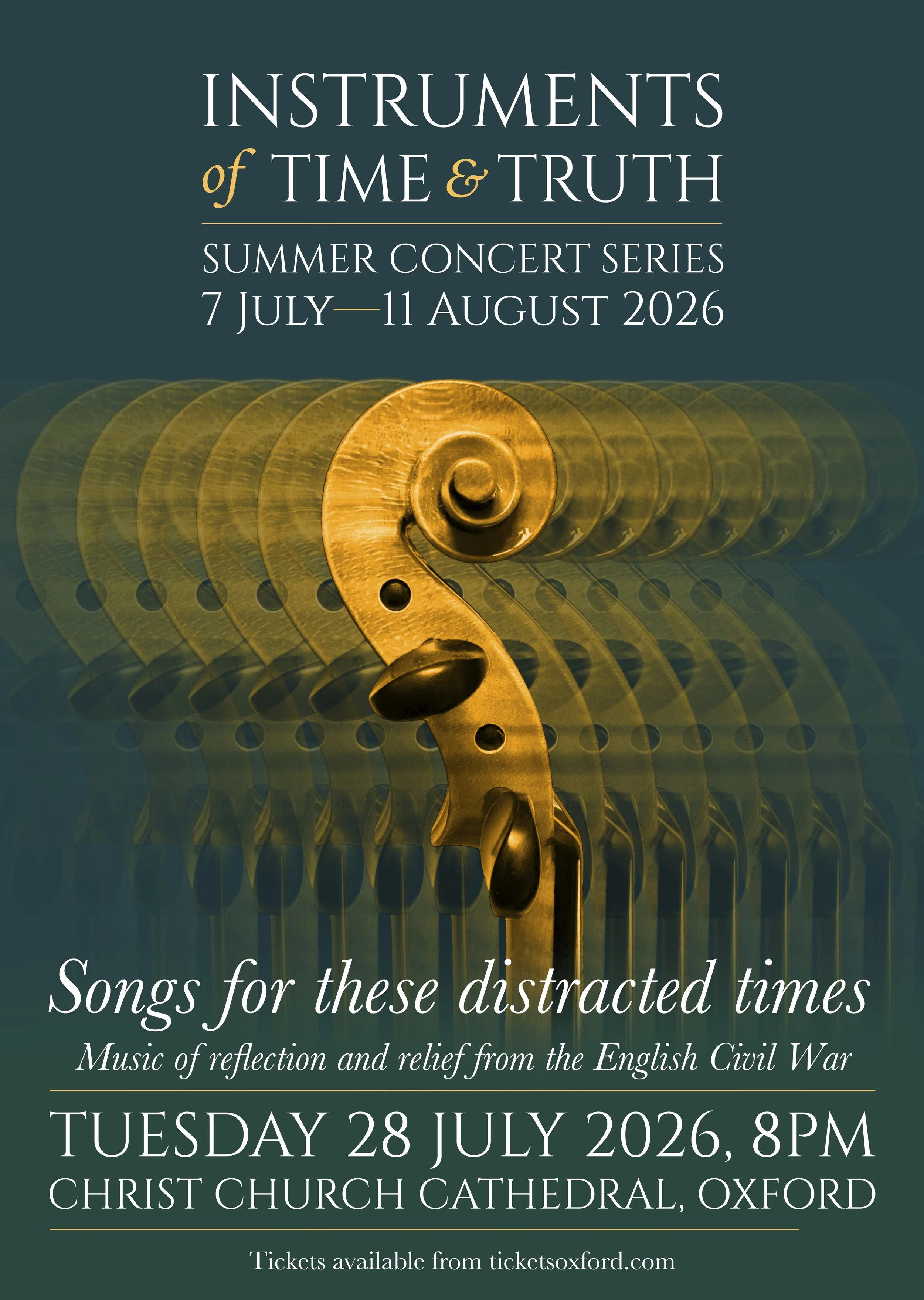
Our fourth concert turns to another period of profound upheaval, exploring the music of England during the Civil War and the Commonwealth. Rather than reflecting conflict directly, the programme reveals how composers responded to uncertain times with works of remarkable intimacy, humanity and grace. Songs by Henry Lawes and Nicholas Lanier sit alongside instrumental music by William Lawes, Matthew Locke and Tobias Hume, offering a glimpse into a rich musical culture that continued to flourish despite political turmoil.
The title, Songs for These Distracted Times, resonates as strongly today as it would have done in the seventeenth century. These works remind us that music has long provided not only entertainment but also reflection, consolation and moments of relief during periods of national uncertainty. It promises to be a particularly thoughtful programme, bringing together some of the finest English music of the period.
Programme
The exact programme will be released shortly.
Performers
Gwilym Bowen, tenor
Liz McCarthy, violin
Susanne Heinrich, viola da gamba
Toby Carr, lute
Christopher Bucknall, organ & harpsichord
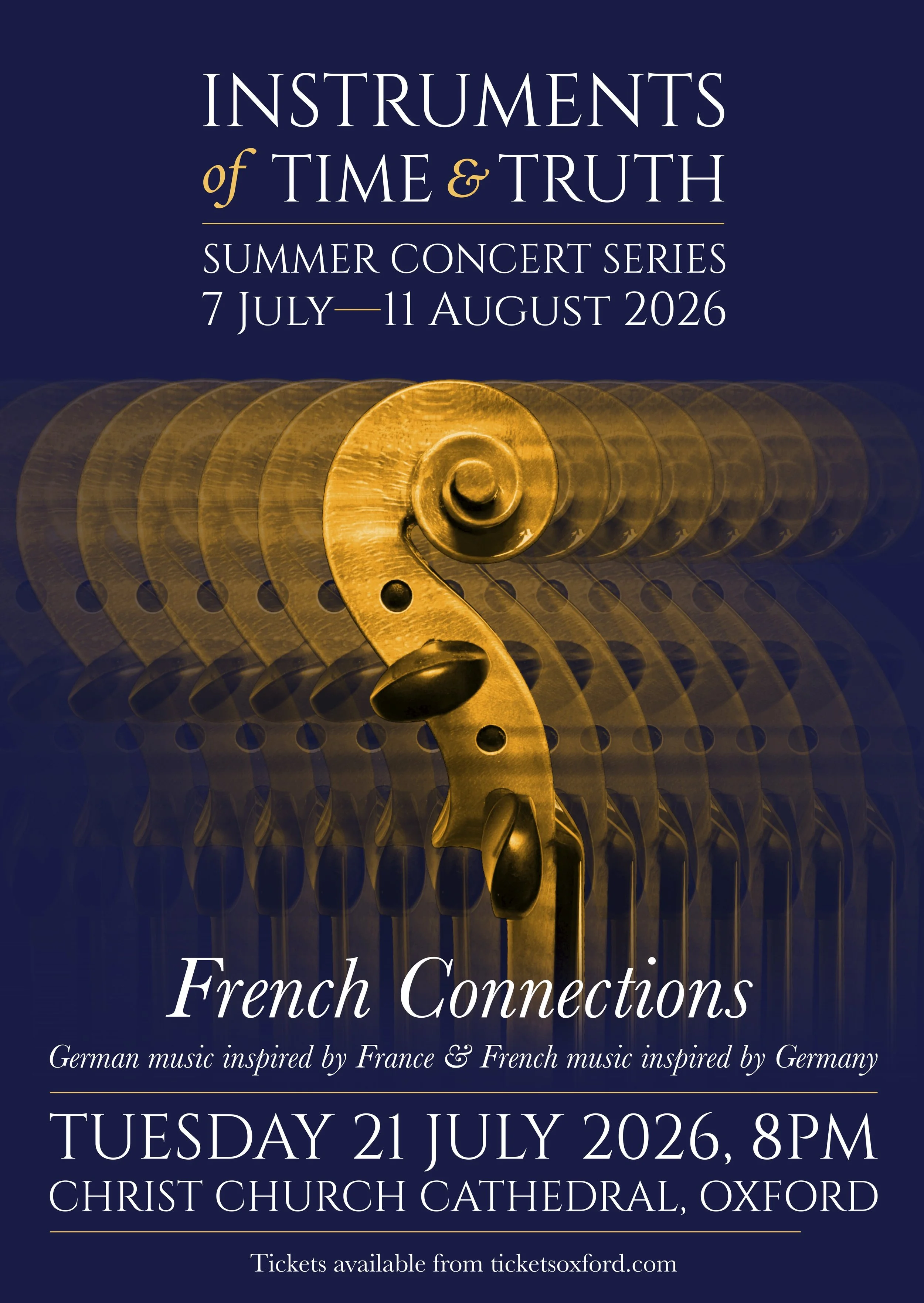
Curated by Jonathan Slade, this programme traces the rich musical dialogue between France and Germany, music that crossed borders, absorbed foreign influence, and emerged transformed. A compelling study in cultural exchange, performed on period instruments.
Programme
Telemann: Sonata in G minor from the "Paris" Quartets
Telemann: Fantasia in D major for solo flute
Telemann: Violin Sonata in A major from Essercizii Musici
Couperin: Selected movements from "L'impériale" from Les Nations
Performers
Anna Curzon, violin
Susanne Heinrich, viola da gamba
Jonathan Slade, flute
Christopher Bucknall, harpsichord
Tickets
Tickets available on the door
£20 adult, £10 student/disabled/UC, Free for under 18’s and wheelchair companions
Jonathan Slade expands on the programme:
“This programme explores the rich dialogue between French and German musical traditions in the Baroque era. Through Telemann's cosmopolitan fusion of styles and Couperin's evocative portrayal of European musical tastes, these works reveal a Europe connected as much by artistic curiosity as by national identity.
Georg Philipp Telemann was one of the great musical travellers of his age, absorbing influences from across the continent. His Paris Quartet Sonata in G minor reflects the elegance and refinement that captivated Parisian audiences, while the Fantasia in D major for solo flute "Alla francese" is almost a parody of a French Overture, concluding with a suitably raucous Presto dance movement. The A major Violin Sonata from Essercizii Musici combines Italian lyricism with French grace and German craftsmanship, demonstrating the stylistic versatility for which Telemann was renowned.
François Couperin admired the richness of German music and sought to unite it with the elegance of the French tradition. L'Impériale, from Les Nations, is part of a collection celebrating the musical character of Europe's great powers. Its sequence of contrasting dance movements—from the stately Sarabande to the exuberant Chaconne—captures the poise, wit and imagination of the French Baroque style.”
Biographies
Jonathan Slade
Motivated by a fierce advocacy of classical music and a firm belief in the power of live performance, Jonathan Slade is a uniquely versatile musician and educator, equally at home as a flautist, baroque flautist and composer.
Described by the Wall Street Journal as an "exceptional" baroque flautist, Jonathan has performed with The English Concert, Les Arts Florissants, Arcangelo at the BBC Proms, The London Handel Orchestra, and the Oxford Philharmonic Orchestra. He is principal flautist of Instruments of Time & Truth and has appeared as both orchestral player and soloist. He also performed on the GRAMMY-winning recording of Telemann's Ino with the Boston Early Music Festival Ensemble and soprano Amanda Forsythe.
Jonathan's composition The Passage of Time won a National Flute Association composition award following its publication in 2020. His Sonata for Flute & Piano, published in 2025, was premiered by Michael Cox and Dominic Degavino and has since been recorded by London Symphony Orchestra musicians Gareth Davies and John Alley.
A dedicated teacher, Jonathan holds teaching positions at Oxford High School, The Abbey School and d'Overbroeck's, alongside a private teaching practice specialising in both modern and baroque flute.
Jonathan studied at the Royal Academy of Music, Yale School of Music and The Juilliard School, graduating from each with postgraduate qualifications.
Christopher Bucknall
Conductor and harpsichordist Christopher Bucknall, is at home both on the concert platform and in the opera house, sharing his passion for bringing music from the seventeenth and eighteenth centuries alive. He is also a highly experienced vocal coach, fervent in his mission to unlock the mysteries of interpreting baroque vocal music with singers at all stages of their development.
Conducting credits include Handel, Alcina (Den Norske Opera), Cavalli, La Calisto and Cesti, L’Orontea (Theater Aachen), Handel, Agrippina, Partenope, Jeptha (Iford Arts), Haydn, Il Mondo della Luna (ETO), Purcell, Dido and Aeneas (Queille Festival and IF Opera) and Monteverdi, L'Orfeo (Silent Opera). He has also worked throughout Europe as an assistant to Ivor Bolton, William Christie, Laurence
Cummings, Christian Curnyn and Ottavio Dantone. On the concert platform, Christopher has appeared directing The English Concert, B’Rock (Belgian Baroque Orchestra Ghent), Instruments of Time and Truth, City Chamber Orchestra of Hong Kong, Real Filharmonie de Galicia and the Norwegian Wind Ensemble in varied repertoire ranging from Monteverdi through to Mozart. He also regularly collaborates with the UK’s finest vocal ensembles including performances of Bach's Weihnachtsoratorium with the BBC Singers, and highly praised preparation of the Glyndebourne and English National Opera choruses in works by Purcell and Rameau.
Christopher studied Music at Lincoln College, Oxford and harpsichord with conducting at the Royal Academy of Music. He is an Associate of the Royal Academy of Music in recognition of his work and is a visiting coach and lecturer at the Royal Academy of Music and the Royal Birmingham Conservatoire.
Anna Curzon
Violinist Anna Curzon enjoys a varied career as soloist, chamber musician and orchestral player. Anna is a member of The English Concert and freelances with period-instrument orchestras including The Orchestra of the Age of Enlightenment, La Nuova Musica, Gabrielli Consort and Players and Instruments of Time and Truth. Anna is part of the chamber groups Music for a While and The Musical and Amicable Society. Recent concerts with the Amicables have included Bach’s Brandenburg Concertos, and The Art of Fugue and Mozart’s String Quintets. Last year the group recorded ‘Fiddler’s Three - Music from Charles II’s Private Musick’ released on the Barn Cottage Records label.
Susanne Heinrich
Susanne Heinrich has lived in Oxford for over 30 years. She studied at the Meistersinger Conservatorium of Nuremberg, the Frankfurt State Academy of Music and the Royal Conservatory of Den Haag, and has performed and recorded with many leading period-instrument ensembles of Europe, touring worldwide for decades. Susanne briefly had a teaching position at the Guildhall School of Music and Drama in London and has written for various specialist journals. Her solo recording of music by Carl Friedrich Abel received an Editor’s Choice Gramophone Award in 2008 and a Diapason d’Or, and her recording of music by Tobias Hume was selected for Gramophone Editor’s Choice in 2010. She made one further solo recording featuring Johann Sebastian Bach’s solo violin music transcribed for the bass viol. The revised New Grove dictionary refers to her as one of the ‘leading players’ of her generation.
Susanne combines her performing activities with part-time work at the University of Oxford and abstract art/craft making, with a focus on the ancient craft of wetfelting.
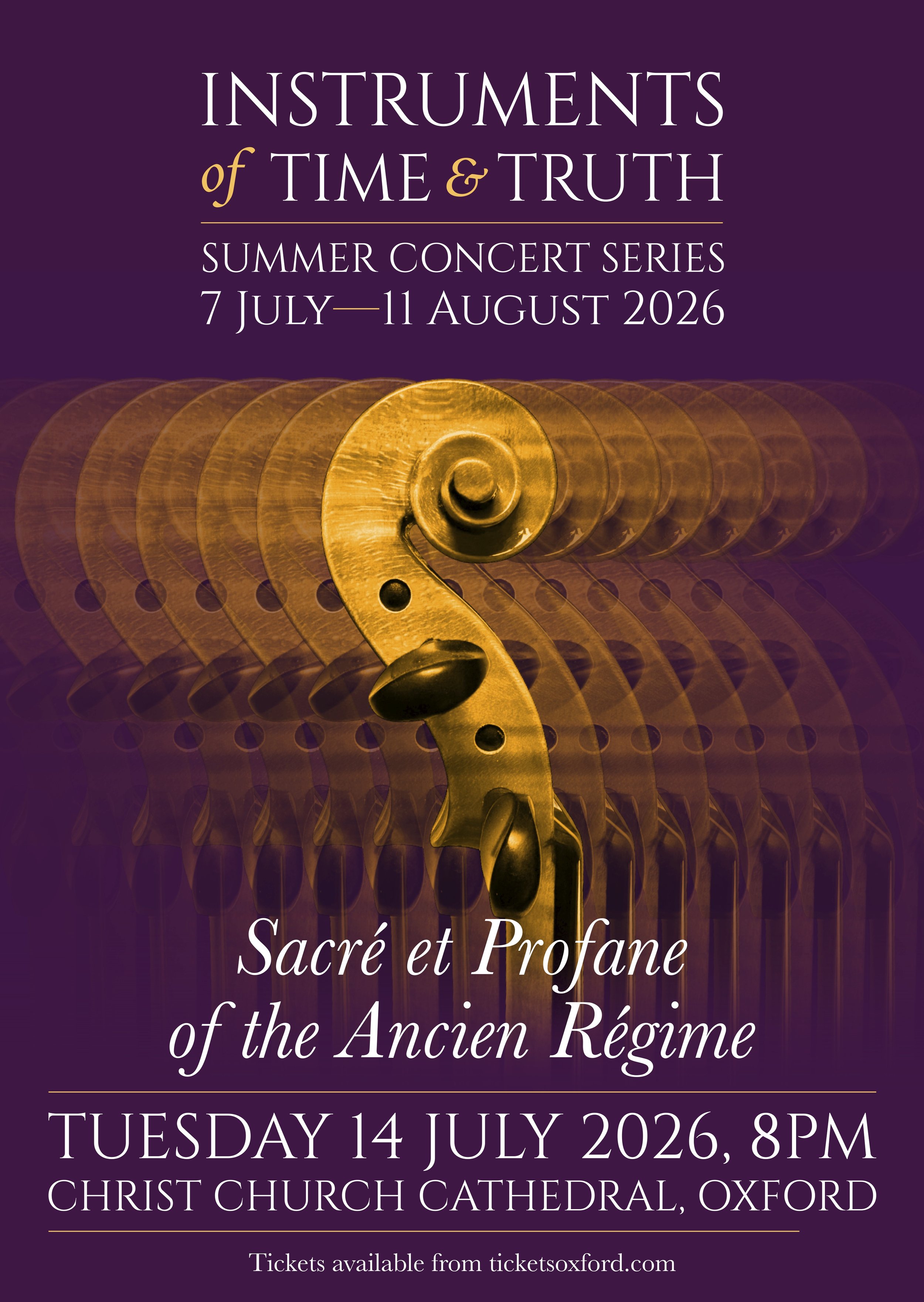
We warmly invite you to join us on Tuesday, 14th July at 8pm for the second concert in our Summer Concert Series at Christ Church Cathedral, curated by Edward Higginbottom. Marking Bastille Day, this programme explores the sacred and secular music of the French Ancien Régime through works by Michel-Richard de Lalande and Marin Marais.
As part of the 300th anniversary of Lalande's death, the programme centres on his Leçons de Ténèbres, interwoven with music for the basse de viole by Marin Marais.
Below, Edward introduces the thinking behind this carefully conceived programme in his own words.
Programme
M.-R. de Lalande, 3e Leçon du mercredy saint (soprano)
Marin Marais, Chaconne in G (Pièces de viole, bk I)
M.-R. de Lalande, 3e Leçon du jeudy (hautecontre)
Marin Marais, La Sonnerie (La Gamme)
M.-R. de Lalande, 3e Leçon du vendredy (sop & htc)
Performers
Caroline Halls (soprano)
Edward Beswick (hautecontre)
Susanne Heinrich and Jacob Garside (violes)
Edward Higginbottom (harpsichord)
Tickets
Tickets available on the door
Edward Higginbottom writes of the programme:
”Many French composers of the ancien régime tested themselves on settings of the Lamentations of Jeremiah, a staple of the liturgy for Holy Week. The style estalished by such as Michel Lambert was that of an ultra-expressive monody, or solo, although some composers ran to a duo for the last 'leçon' in a group of three. These readings from the Old Testament Book of Lamentations are attributed to the prophet Jeremiah. They bewail the fall of Jerusalem, evoking the desolation of a people which had lost its spiritual and cultural home. In the same way, they speak of the desolation of the Church as in Holy Week Christ's suffering and crucification is recalled.
Properly speaking, these texts belong to Matins, the earliest of the monastic offices, but too early for the beau monde to attend. A usage was established to allow the office to be sung at a more convenient time of day, during the evening of the preceding day. Thus the Lamentations set for Holy Thursday were sung on Wednesday evening. And thus these leçons for Thursday are styled 'pour le mercredy'.
Lalande's approach to the task is the traditional one: to present each of the verses as a distinct 'récit', varying the pace and content of the setting through the several verses of each reading. The music can be sung either by a soprano or a high tenor. In the performance by IT&T, both voices will take it in turns.
Interspersed will be music by Marin Marais, the great early 18th-century composer of music for the basse de viole. It's music that belongs rather more to the salon than the église, but in the high seriousness of the G major Chaconne from Marais' first book of viol pieces, and then the evocation of the bells of Ste Geneviève du Mont in 'La Sonnerie', we are not far removed from an ecclesiastical context.
This is music rarely heard, but of a rare beauty. The performance by IT&T marks the 300th anniversary of the death Michel-Richard de Lalande in 1726. Lalande was the greatest of French composers of the music for the Royal Chapel over a period of more than 30 years.“
Biographies
Edward Higginbottom
Before moving on to St Mary’s Church in Warwick, Edward was a chorister at his local parish church where he started playing the organ. Edward completed his undergraduate and graduate training as organ scholar of Corpus Christi College, Cambridge, where he developed a particular interest in French baroque music and became a Fellow of the Royal College of Organists. He toured regularly in France at that time as director of the Cambridge University Purcell Society. As a graduate student, he spent time in France (1970-1972), studying the organ with Marie-Claire Alain while working on his doctoral thesis.
He was appointed as the Organist and Director of Music at New College, Oxford in 1976. While the main role of the choir is to provide liturgical music for worship, Edward went further, organizing economically viable choir tours and a broad set of musical recordings. By doing so, he "has helped the cause of such institutions through a period when financial constraints and changes in social attitudes have threatened choral foundations".
In 1990 he was made an officer, and subsequently a Commandeur of the Ordre des Arts et des Lettres by the French Ministry of Culture for "his role in the revival of choir schools in France and support of French cultural activities".
In 2010 he formed a new recording label for the Choir, novum, and the choir began experimenting with weekly webcasting of their Evensong services.
Retiring from New College in 2014, he continues his musical career as a freelancer. He is the principal conductor of an Oxford ensemble called Instruments of Time and Truth. In spite of his retirement, however, he was named in March 2019 as the Director of Chapel Music at St Peter's College, Oxford for the 2019/20 academic year, pending the appointment of a successor to Jeremy Summerly in 2020.
Edward Beswick
Tenor Edward Beswick began his musical life as a chorister at New College, returning as an Academical Clerk where he graduated with a First-Class degree in Music in 2025. One of his final solo performances as an undergraduate was Clérambault’s solo cantata Pirame et Tisbé, also under the direction of Edward Higginbottom.
In March, he made his professional debut as the Evangelist in Bach’s St John Passion with New College, before returning to Oxford at the start of July to perform with The Sixteen at the University Church. Edward is looking forward to performing with Tenebrae at the Rheingau Festival later this week, and with the Orchestra of the Age of Enlightenment at The Proms in August.
Caroline Halls
Caroline is a soprano based in Bristol. She started singing as a chorister at Salisbury Cathedral, and continued throughout her time studying undergraduate Music at Oxford (The Queen’s College). She spent 5 years in London before returning to the south west, including as a regular soprano at Westminster Abbey and St Paul’s Cathedral.
Much of her singing work is in the early music/consort scene, particularly as the regular soprano with single-voice ensemble, The Marian Consort. With them and other groups, Caroline has toured nationally and internationally, recorded a number of well-reviewed CDs, and performed at prestigious venues like Wigmore Hall.
Susanne Heinrich
Susanne Heinrich has lived in Oxford for over 30 years. She studied at the Meistersinger Conservatorium of Nuremberg, the Frankfurt State Academy of Music and the Royal Conservatory of Den Haag, and has performed and recorded with many leading period-instrument ensembles of Europe, touring worldwide for decades. Susanne briefly had a teaching position at the Guildhall School of Music and Drama in London and has written for various specialist journals. Her solo recording of music by Carl Friedrich Abel received an Editor’s Choice Gramophone Award in 2008 and a Diapason d’Or, and her recording of music by Tobias Hume was selected for Gramophone Editor’s Choice in 2010. She made one further solo recording featuring Johann Sebastian Bach’s solo violin music transcribed for the bass viol. The revised New Grove dictionary refers to her as one of the ‘leading players’ of her generation.
Susanne combines her performing activities with part-time work at the University of Oxford and abstract art/craft making, with a focus on the ancient craft of wetfelting.
Jacob Garside
Jacob Garside is a cellist and viola da gamba player, based in London. He attended the RAM studying baroque cello and viol with Jonathan Manson, and the RCM studying viol with Richard Boothby and Reiko Ichise, supported by the Enlightenment and Hill Scholarships respectively. He is currently studying viola da gamba with Robert Smith on the Konzertexamen course at Hochschule für Musik und Tanz, Köln.
He has played orchestrally for St James Baroque, La Nuova Musica, Academy of Ancient Music, Instruments of Time and Truth, Oxford Bach Soloists, Gabrieli Consort, Royal Northern Sinfonia and Det Norske Blåseensemble. He is a regular player for ETO and The OAE Education Orchestra. A keen chamber musician, he has played for Rachel Podger’s Brecon Baroque, Spiritato, Opera Settecento, Endelienta Baroque and the viol consorts Fretwork, Newes Vialles and London Viols. In 2020, Jacob was a founding member of The Hampstead Collective, where their monthly concert series is in the midst of its fourth year. He is playing, acting, singing and dancing in the Manchester International Festival’s opera, ‘The Faggots and their Friends: Between Revolutions’, on their worldwide tour including: Aix-en-Provence, New York, Paris, Bregenz and Amsterdam. He is the cello and viol tutor at Baroque Week, a summer residential course for HIP students.
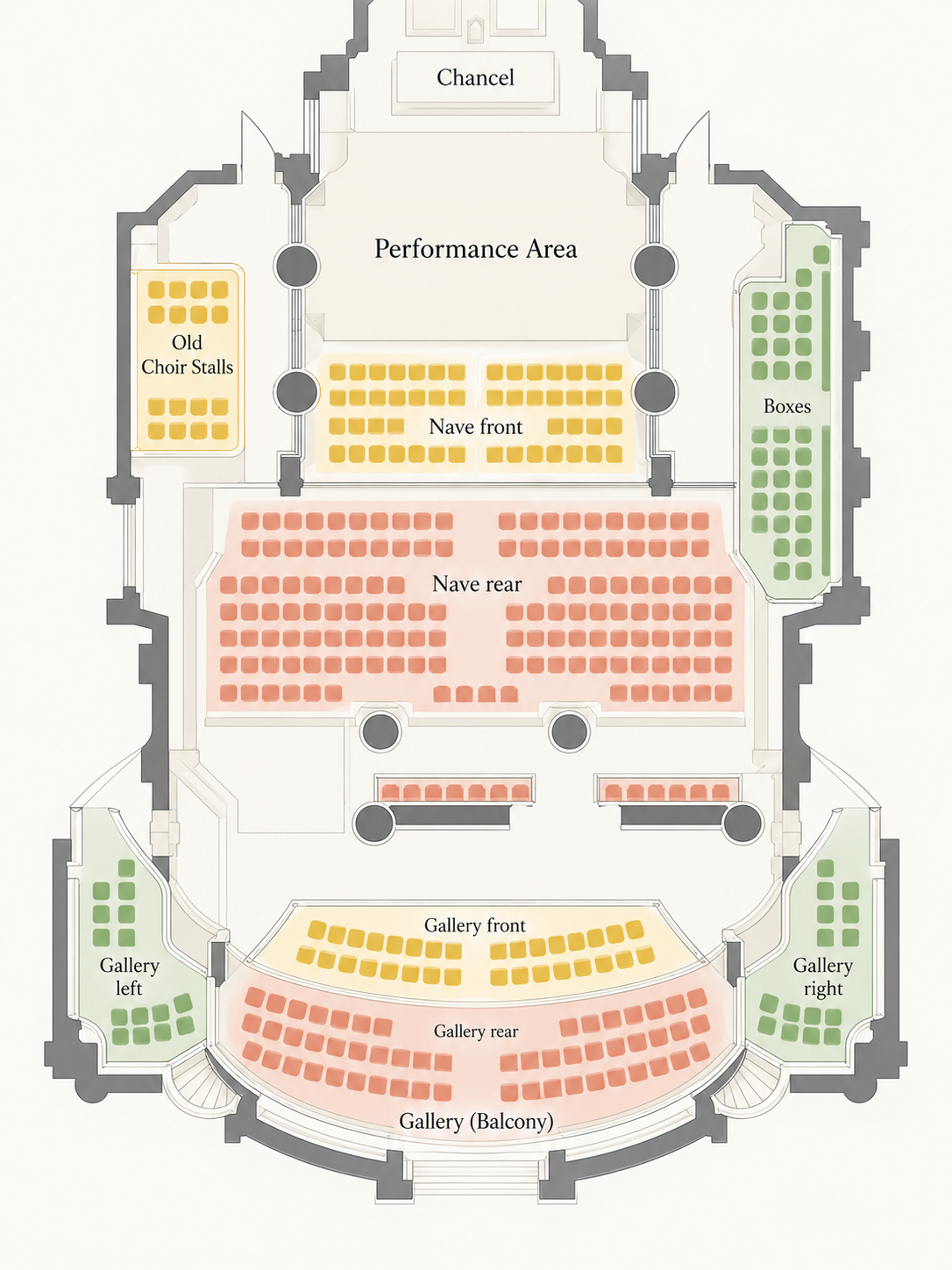
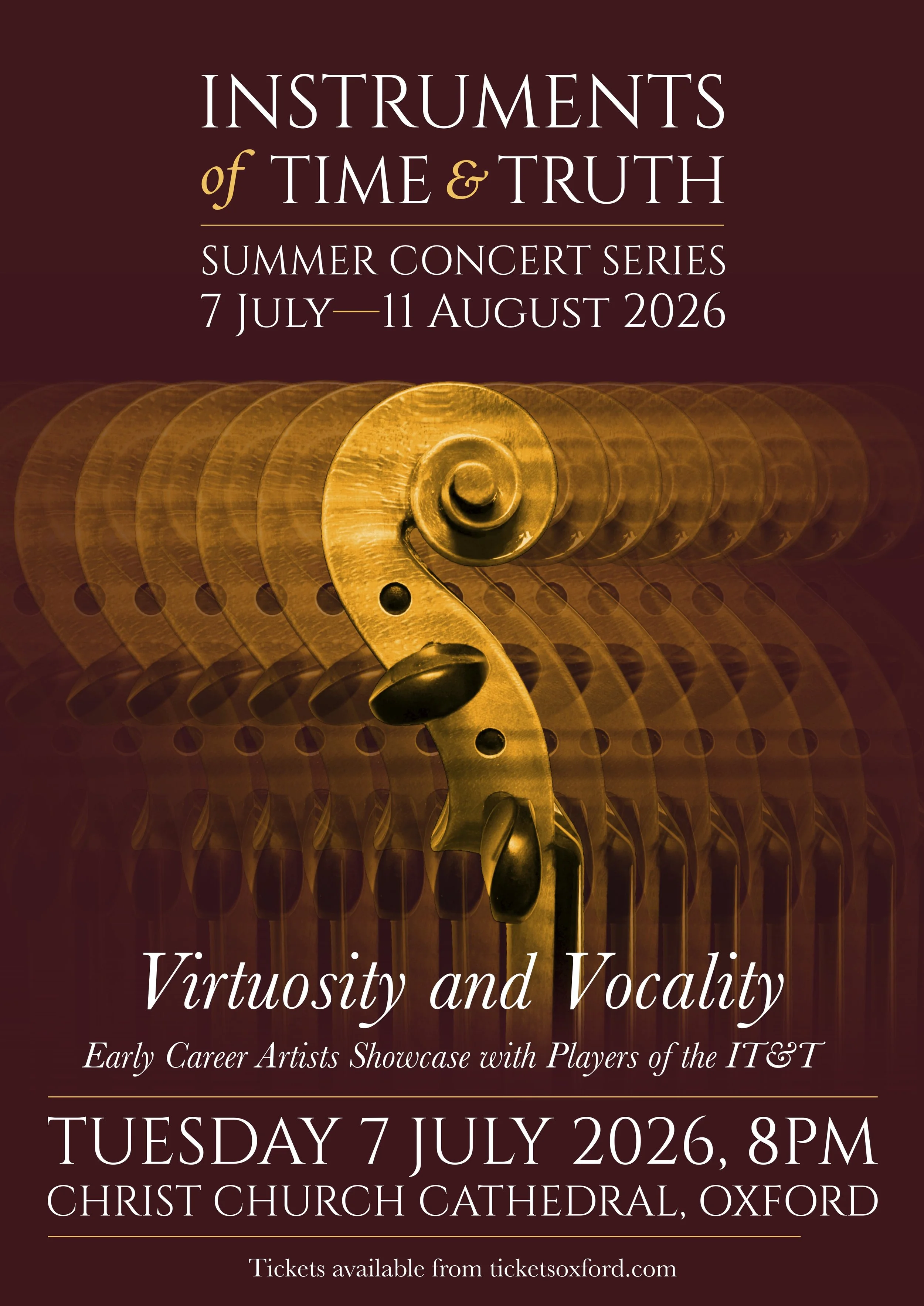
Curated by Elizabeth Nurse, this concert showcases some of the UK's most talented young baroque artists, professional-level musicians at the threshold of distinguished careers, performing alongside players from IT&T's ensemble.
We are enormously grateful to the Harrison-Frank Family Foundation and the Harold Hyam Wingate Foundation for their generous support, which makes the Early Career Artist Scheme possible.
Buy all 6 concerts and receive £30 off.
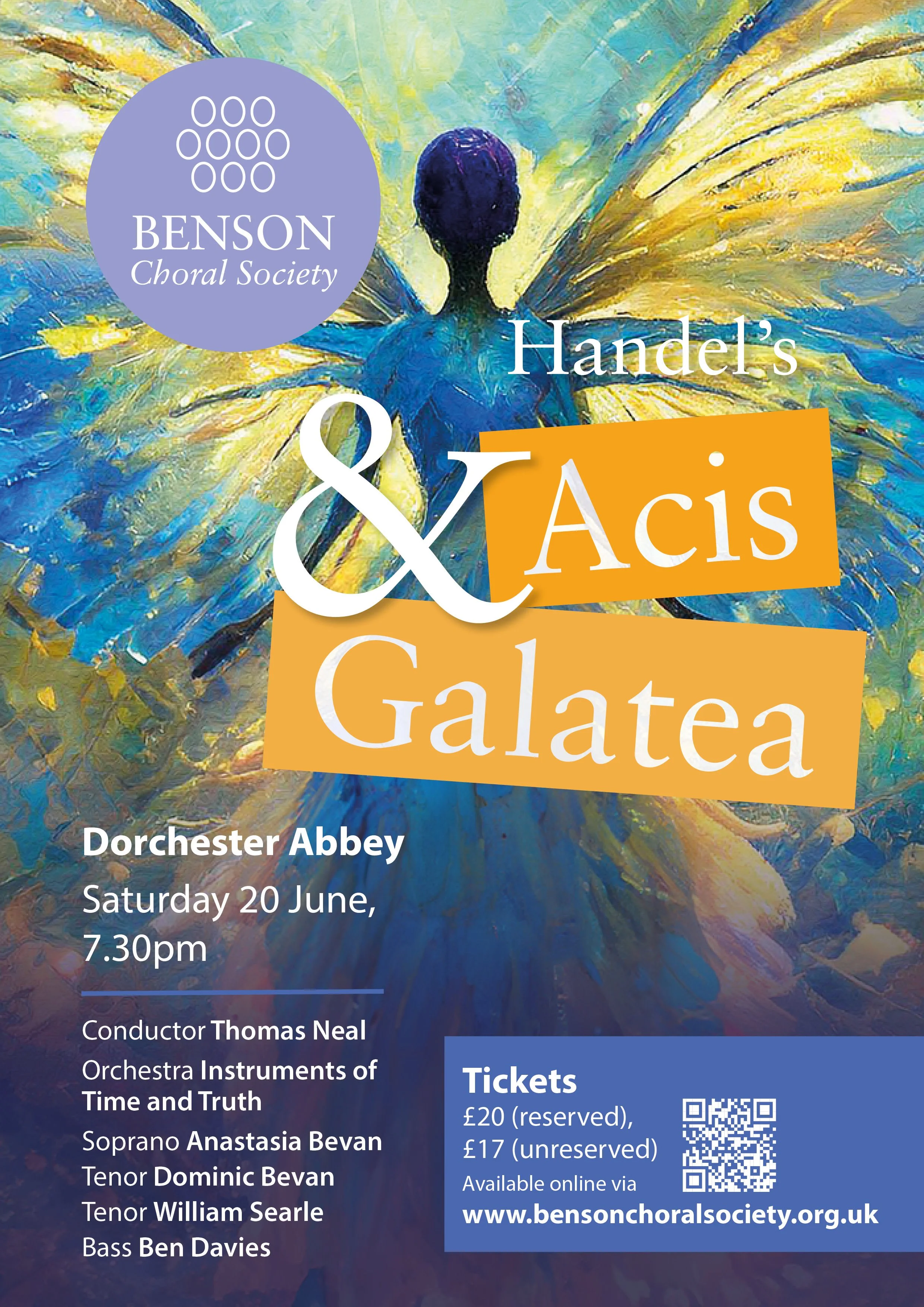
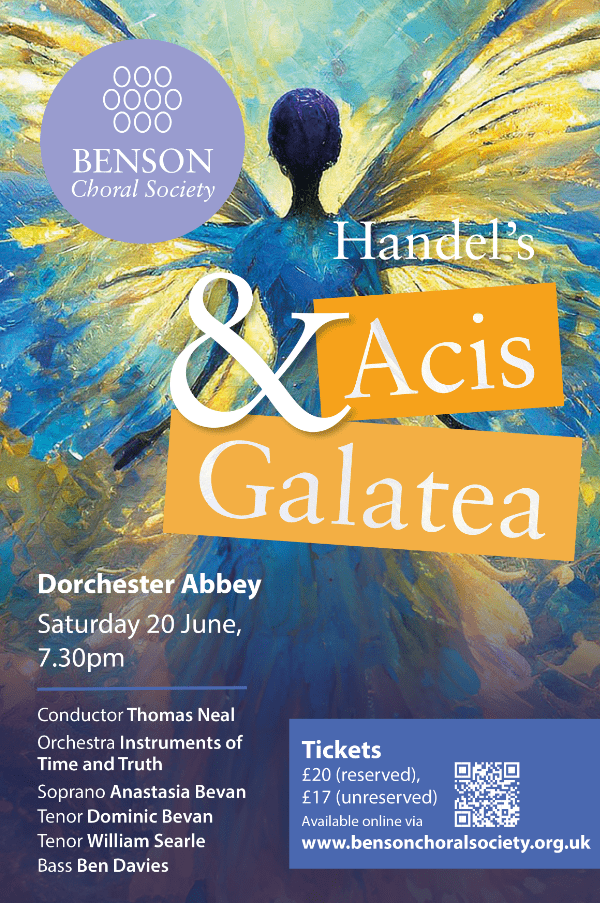
Handel’s Acis and Galatea is a tale concerning transient love, beauty and jealousy, and is told through music that encompasses the joyful and the melancholic. Handel’s first dramatic work in the English language, the story follows the nymph Galatea and the shepherd Acis, their love and adoration for each other, and the envious giant Polyphemus who threatens their happiness.
The opera was first performed in 1718, and was so popular that by the middle of the 18th century it had been staged seventy times.
Anastasia Bevan (soprano)
Dominic Bevan (tenor)
William Searle (tenor)
Ben Davies (bass)
Benson Choral Society
Instruments of Time and Truth
Thomas Neal (conductor)
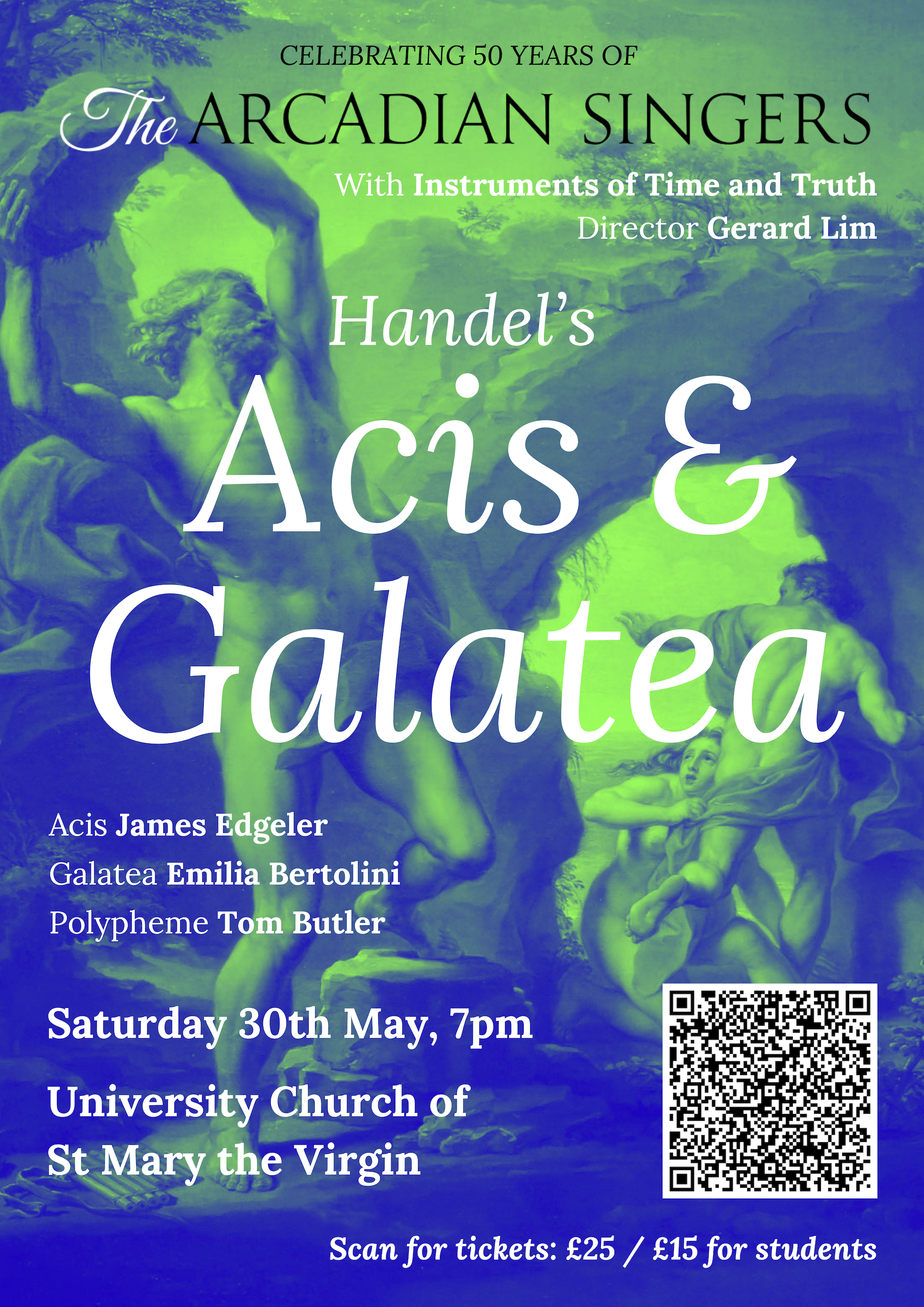
To celebrate their ongoing 50th anniversary season, The Arcadian Singers look forward to presenting Handel's Opera Acis and Galatea with the Instruments of Time and Truth in the University Church of St. Mary the Virgin
Handel’s Acis and Galatea is a tale concerning transient love, beauty and jealousy, and is told through music that encompasses the joyful and the melancholic. Handel’s first dramatic work in the English language, the story follows the nymph Galatea and the shepherd Acis, their love and adoration for each other, and the envious giant Polyphemus who threatens their happiness.
J. S. Bach, Johannes-Passion, BWV 245
New College Choir
Instruments of Time and Truth
Edward Beswick, Evangelist
Robert Quinney, Conductor
Tickets will be available on TicketSource. Priority booking for members of New College from 9 February. General tickets released on 16 February.
The performance lasts approximately 2 hours with no interval. It is not suitable for small children. Please be aware there is no opportunity to leave except in an emergency.
Instruments of Time & Truth
Keble Chapel Choir
Gwilym Bowen (Evangelist)
In the final concert of the Keble Early Music Festival 2026, Keble Choir are joined by Instruments of Time & Truth, Gwilym Bowen (Evangelist) and a stellar lineup of soloists, in a performance of the Passion story as told in John’s Gospel. Entwining the theatrical and theological Bach provides some of the most dramatic and impassioned music ever composed in recounting the horrific events of Christ’s arrest and crucifixion.
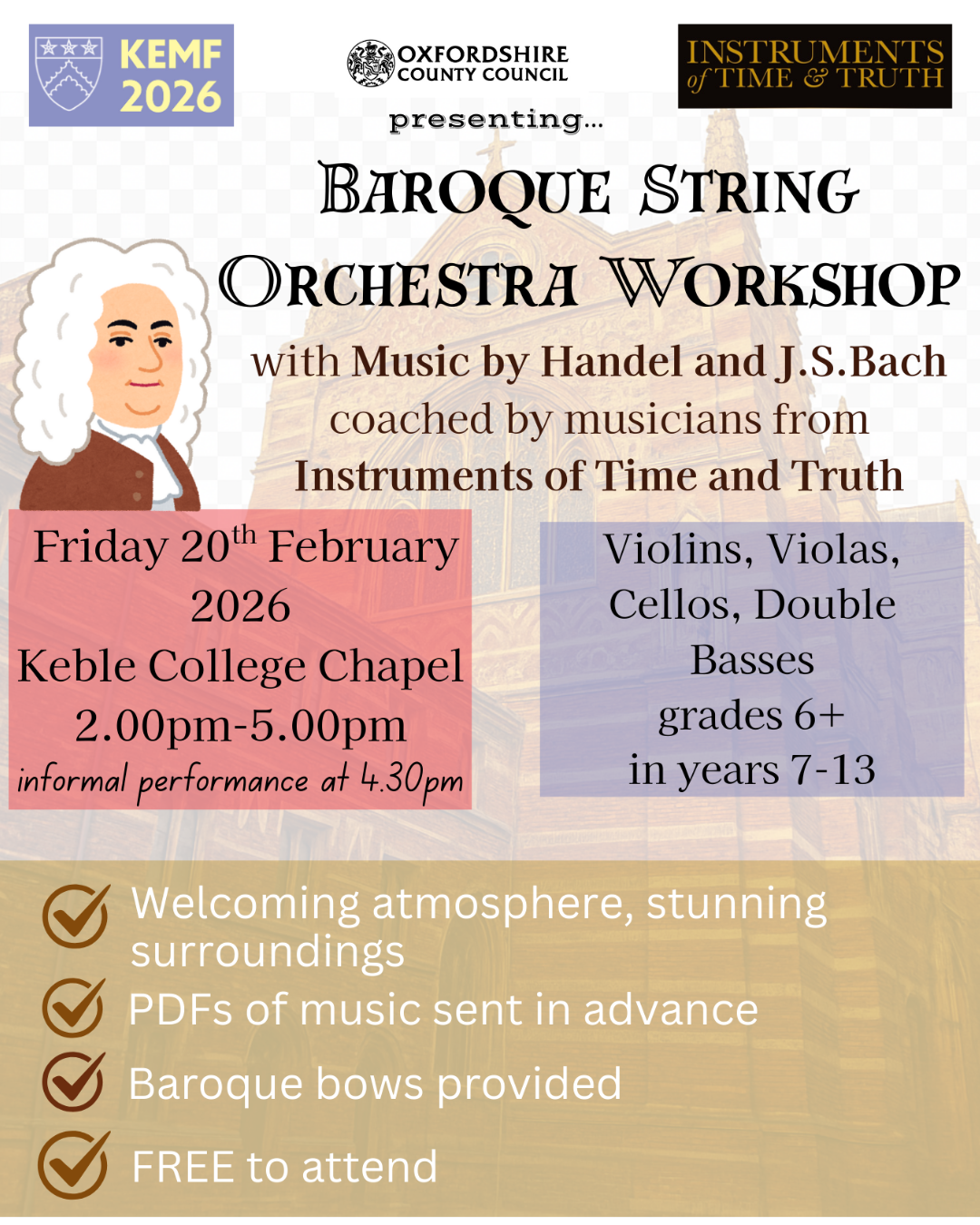
We're delighted to be returning to the Keble Early Music Festival 2026 for our annual baroque strings workshop in partnership with Oxfordshire County Music Service. This is an open workshop for secondary-school aged students grades 6+, led by expert coaches from IT&T.
More information about KEMF 2026 available on their website, including about the performance of J.S. Bach’s St John Passion featuring IT&T.
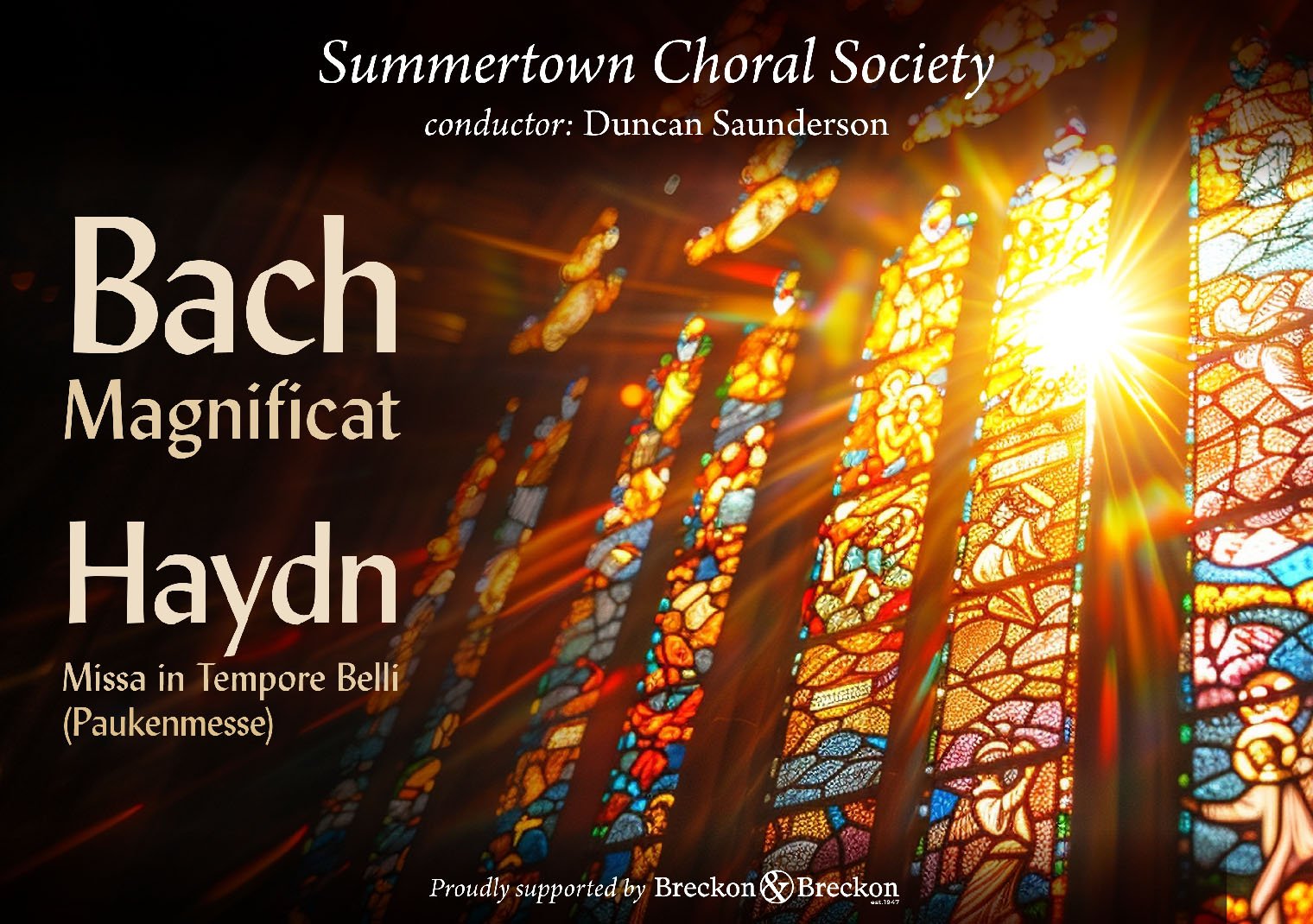
Instruments of Time and Truth accompany Summertown Choral Society, conducted by Duncan Saunderson.
Join Instruments of Time & Truth as we present an exciting programme featuring music by Henry Purcell and John Blow. We are thrilled to welcome some of the finest consort singers in the country to perform alongside IT&T instrumentalists and a hand-picked group of students, bringing to life some of the most inventive and expressive music of the English Baroque.
Join us for a public masterclass with soprano Miriam Allan and harpsichordist Christopher Bucknall. Six student singers from Oxford will perform 17th-century English solo vocal music, accompanied by student continuo players.
Attendance free: no ticket or registration required. It is possible to enter and exit at several points throughout the masterclass.
PROGRAMME
Sydney Haskins accompanied by Arthur Barton
Purcell, ‘If Music be the food of love’ Z.379C
Ella Machtynger
Henry Purcell (1759-1795), ‘Oh! Lead me to some peaceful gloom’ (Bonvica’s song), Bonduca, Z.574/17
Quinton Lee accompanied by Davon Halim
Purcell, ‘Sweeter than Roses’, Pausanius, Z.585
Holly Smith accompanied by Seb Carrington
Purcell ‘Music for a While’, Oedipus
Katya Davisson accompanied by Richard Meehan
Purcell, ‘If Music be the food of love’ Z.379C
Christopher Churcher accompanied by Alfred Hopkins
Purcell, ‘On a ground’ (Evening Hymn)
If you’re interested in supporting IT&T’s Education Projects, please contact Phil Gietzen for more information - phil@timeandtruth.co.uk
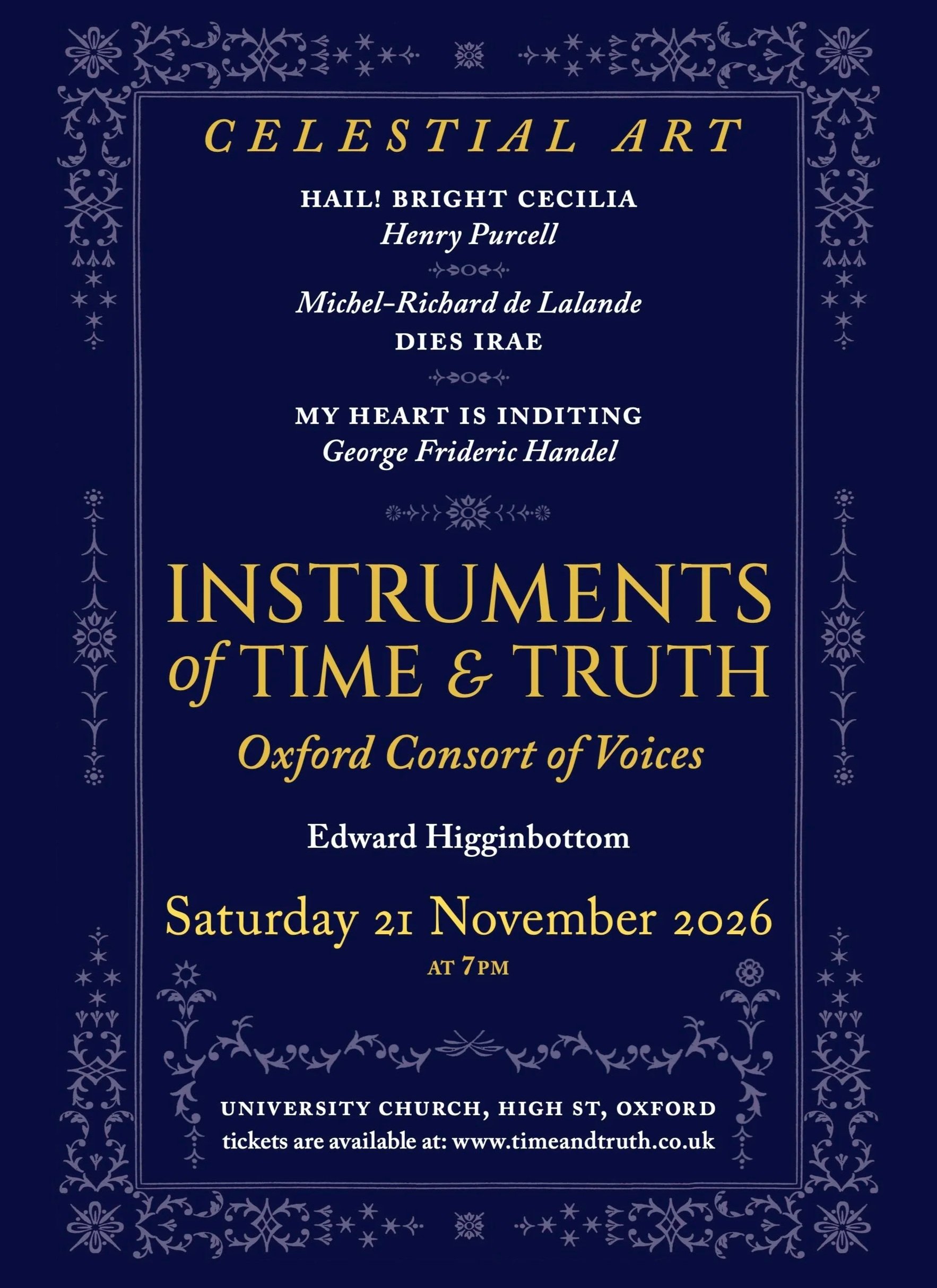
Experience one of the musical highlights of the year with Instruments of Time & Truth’s annual performance of Handel’s Messiah. Under the direction of Edward Higginbottom, this beloved work comes to life with the Oxford Consort of Voices and 4 incredible soloists Charlotte Bowden, Elizabeth Nurse, William Anderson & Filippo Turkheimer - an unmissable evening for both devoted audiences and newcomers alike.
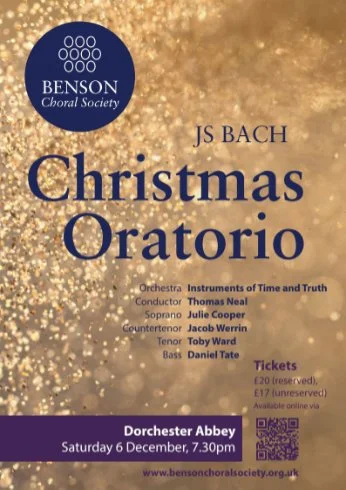
What better way to start the Christmas season than with Bach’s Christmas Oratorio, which he assembled from the series of six cantatas written in Leipzig for the Christmas feast-days in 1734/5. Together they make a compelling narrative, beginning with the dramatic chorus 'Christians be Joyful'. To bring out its baroque authenticity we have the renowned period orchestra Instruments of Time and Truth to play with us.
The Choir of New College Oxford is firmly established as one of the most acclaimed British choral ensembles. Celebrated for its distinctive sound, it embodies the splendour of the English choral tradition. Founded in 1379, the choir frequently performs in prestigious venues worldwide, and its versatility is reflected in its diverse core repertoire, with a particular scholarly focus on renaissance and baroque music.
Niccolo Jommelli (1714-1774) was primarily a composer of operas in the Neapolitan style. His Requiem setting is one of only a few surviving sacred works. But the large number of 18th-century sources attest to its widespread popularity. Indeed, it has been said that Jommelli’s was the most frequently performed Requiem before Mozart swept away all competition. IT&T’s special performance, during the Season of Remembrance, will be coupled with Samuel Barber’s Adagio. Both works draw on the same forces of strings and voices, and present a powerful meeting of period and more modern styles. The concert re-affirms IT&T’s role in promoting neglected music of value, and in proposing ingenious juxtapositions. Another rare opportunity lies before the Oxford public.
In Medea’s Fury we will hear dramatic cantatas for soprano from the French baroque together with flute, violin, viola da gamba and harpsichord. We will hear an array of fabulous cantatas, each telling this dramatic story from a different perspective, including Élisabeth Jacquet de la Guerre’s Le sommeil d’Ulisse, Nicolas Bernier’s Médée, and an extract from Louis-Nicolas Clérambault’s Médée, curated by Jonathan Slade
In this programme for flute, violin, cello, keyboard, we set off on an exploration of J.S. Bach’s ‘Das Musikalische Opfer’, based on a theme given to him as a challenge by KingFrederick II of Prussia, who was a flautist and keen musician himself.
Miserere mei in settings for high voices by Richard Delalande and Louis-Nicolas Clérambault. The solo lines of these highly evocative settings are set to form their own exquisite tracery across the vaults of Oxford's greatest ecclesiastical building. Few works of the period speak more powerfully of the French way with vocal writing: a form of passionate and elevated speech, perhaps the most distinctive contribution of the French to musical manners of the 18th century, curated by Edward Higginbottom.
A musical journey over the Alps from Germany to Italy, highlighting radiant chromaticism through the instrumental tone colours of the cornetto, trombone, viola, violin, viola da gamba and organ - curated by Rachel Byrt.
Sonatas by Marini, Castello, Uccellini and Legrenzi; Toccatas by Storace and Frescobaldi; Theatrical Sinfonias by Cavalli and Monteverdi - curated by Christopher Bucknall
Join IT&T for the 1st concert in our 2025 Summer Concert Series. In this first concert baroque violinist Bojan Čičić explores the music of French composer and gamba player Marin Marais - an evening not to be missed!
In 2025 Instruments of Time & Truth celebrate their 10th birthday. This programme will mark another anniversary, the 300th of the founding in 1725 of the Concert Spirituel, an organisation which became the major promoter of concerts in Paris during the 18th century.
Instruments of Time & Truth will perform instrumental and vocal music heard at the Concert Spirituel in the 1770s, by François-Joseph Gossec, Jean-Baptiste Davaux, Jean-Joseph de Mondonville and Amadeus Mozart. They will be joined by the Oxford Consort of Voices, soloists and student singers, under the direction of Edward Higginbottom. Presented in association with The Cultural Programme.
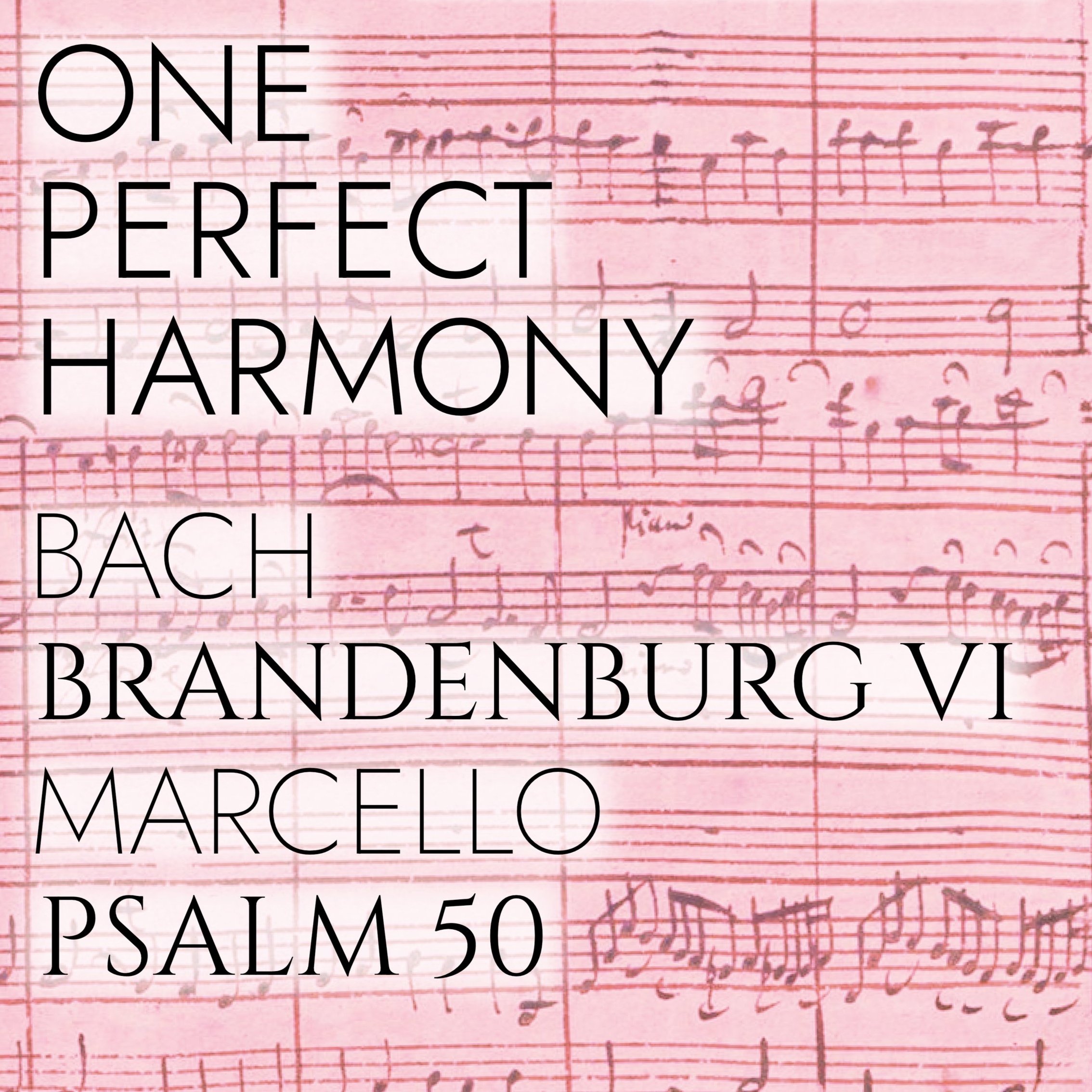
What brings together Benedetto Marcello and JS Bach in the same programme? Their music for lower strings and lower voices: textures of special opulence and warmth. Bach's last Brandenburg Concerto (BWV 1051), for violas, gambas, cello and violone, needs no introduction. Marcello's setting of Psalm 50 is less well known. It is the last in an ambitious project of psalm settings in Italian paraphrases. appearing in eight volumes in the mid-1720s. Benedetto Marcello (not to be confused with his brother Alessandro, also a musician and composer) was a distinguished public official working for the Republic of Venice. It is all the more remarkable that he produced so much fine music alongside his public duties, notably in the sphere of sacred vocal music. His setting of Psalm 50 shows him to be a composer of great accomplishment and sensitivity.
This special concert will last just an hour, allowing plenty of time for dinner afterwards!
Featuring hand-picked student singers from across the university, coached by soprano Miriam Allan and IT&T’s Christopher Bucknall, this programme explores the astonishing laboratory of Monteverdi’s mind and explores the evolution of vocal music from renaissance polyphony to the dramatic music which evolved into opera as we know it today.
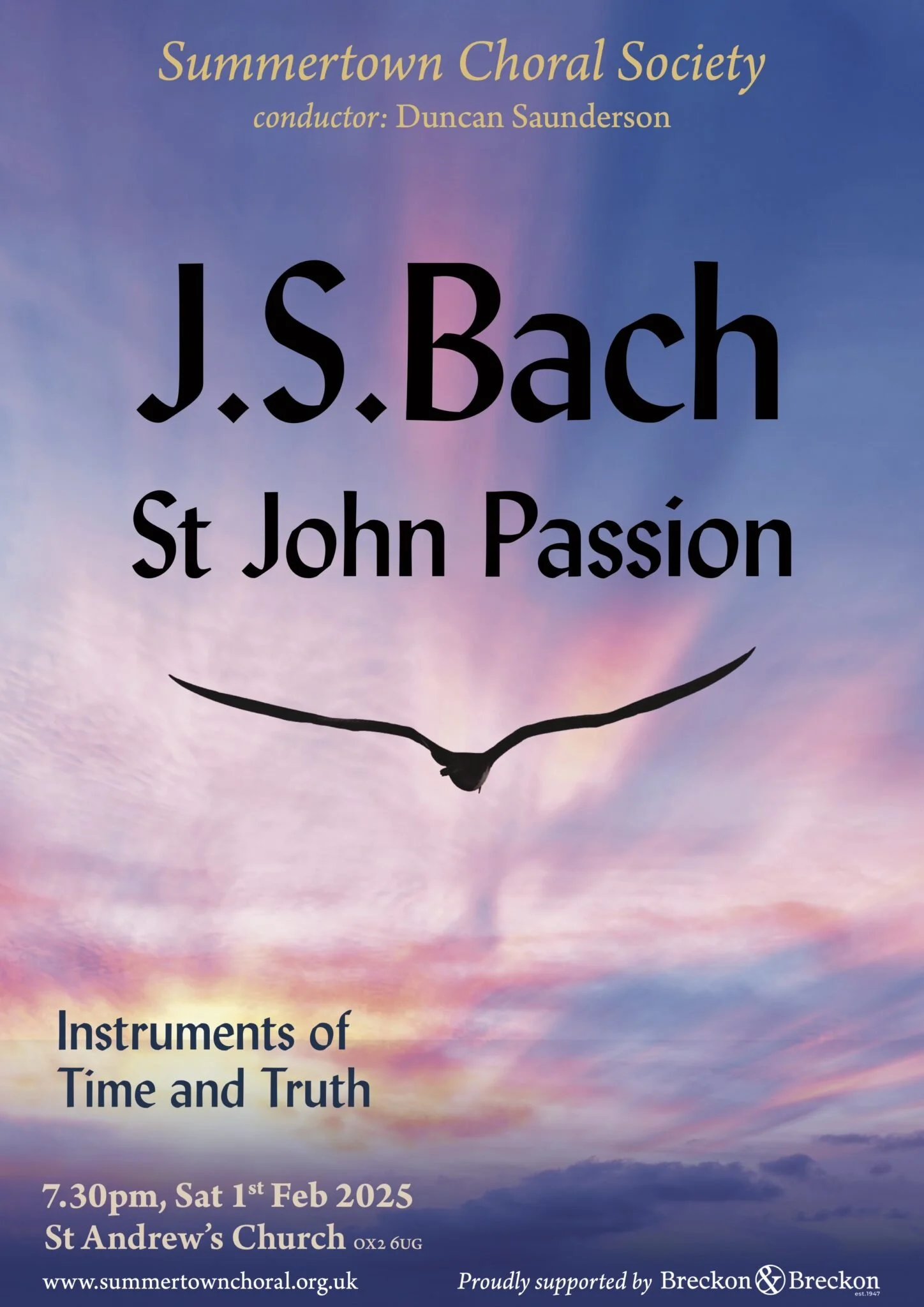
The St John Passion, a glorious choral work by Johann Sebastian Bach, was composed just over 300 years ago and first performed in St Nicholas Church, Leipzig, at the Vespers service on Good Friday in 1724. This was during Bach’s first year as director of music in Leipzig, where he remained for the next 27 years.
One of the greatest and most powerful musical works ever written, it was described by Robert Schumann as ‘more daring, forceful and dramatic’ than Bach’s St Matthew Passion, written three years later. Two magnificent extended choruses at the beginning and end frame the four elements of the work: speech rhythm narration, the ferocious and taut ‘crowd’ choruses, operatic-style arias, and Lutheran chorale melodies exquisitely harmonised by Bach.
Under the baton of our conductor, Duncan Saunderson, we shall be singing the excellent and very accessible English version of the text, in the New Novello edition. The orchestral accompaniment for the concert will be, as for several of the choir’s previous performances, by Instruments of Time and Truth. It will be a great experience for audience and singers alike.
In the climax of this year’s festival, Keble Chapel Choir are joined by the Instruments of Time and Truth and a stellar cast of young soloists in Purcell’s feted take on Shakespeare’s ‘A Midsummer Night’s Dream’, in a semi-staged production by Nicholas Heath, directed by Christian Wilson.
Join IT&T for its annual celebration of Christmas as we bring Handel’s Messiah to life.
University Church of St Mary the Virgin will be bustling with festive spirit as we usher in the holiday. IT&T will be joined by the Oxford Consort of Voices and an amazing line-up of soloists, Miriam Allan, Hugh Cutting, Benjamin Hulett and Daniel Tate.
To book tickets please use the button below.
For a musician boasting a string of prestigious appointments – maestro di cappella at Mantua, to Charles III (pretender to the Spanish throne) in Barcelona, Ruspoli in Rome, and finally Vize-Kapellmeister at the Imperial Court in Vienna – Antonio Caldara (1670–1736) is strangely overlooked in our own time. He held these positions precisely because he was an outstanding composer, both of opera and oratorio. Instruments of Time & Truth, as part of its tenth anniversary season, will offer a unique opportunity to hear one of Caldara's finest oratorios, Maddalena ai piedi de Cristo, a dramatic telling of the struggle between Good and Evil for the soul of Mary Magdalena. Such libretti were the stuff of Lenten observance in European Courts, but there is nothing Lenten about Caldara's treatment, vivid, intense, compact and compelling. Six solo voices take on six dramatic roles; one fabulous aria follows another; all enriched by highly original writing for string orchestra. A rare treat is in store.